Edtech

Leanlab Education recognizes companies that demonstrate commitment to research-based practices and user-centered design through our badge programs. This spring and summer we awarded badges to companies that have shown dedication to evidence-based development and meaningful user feedback integration.
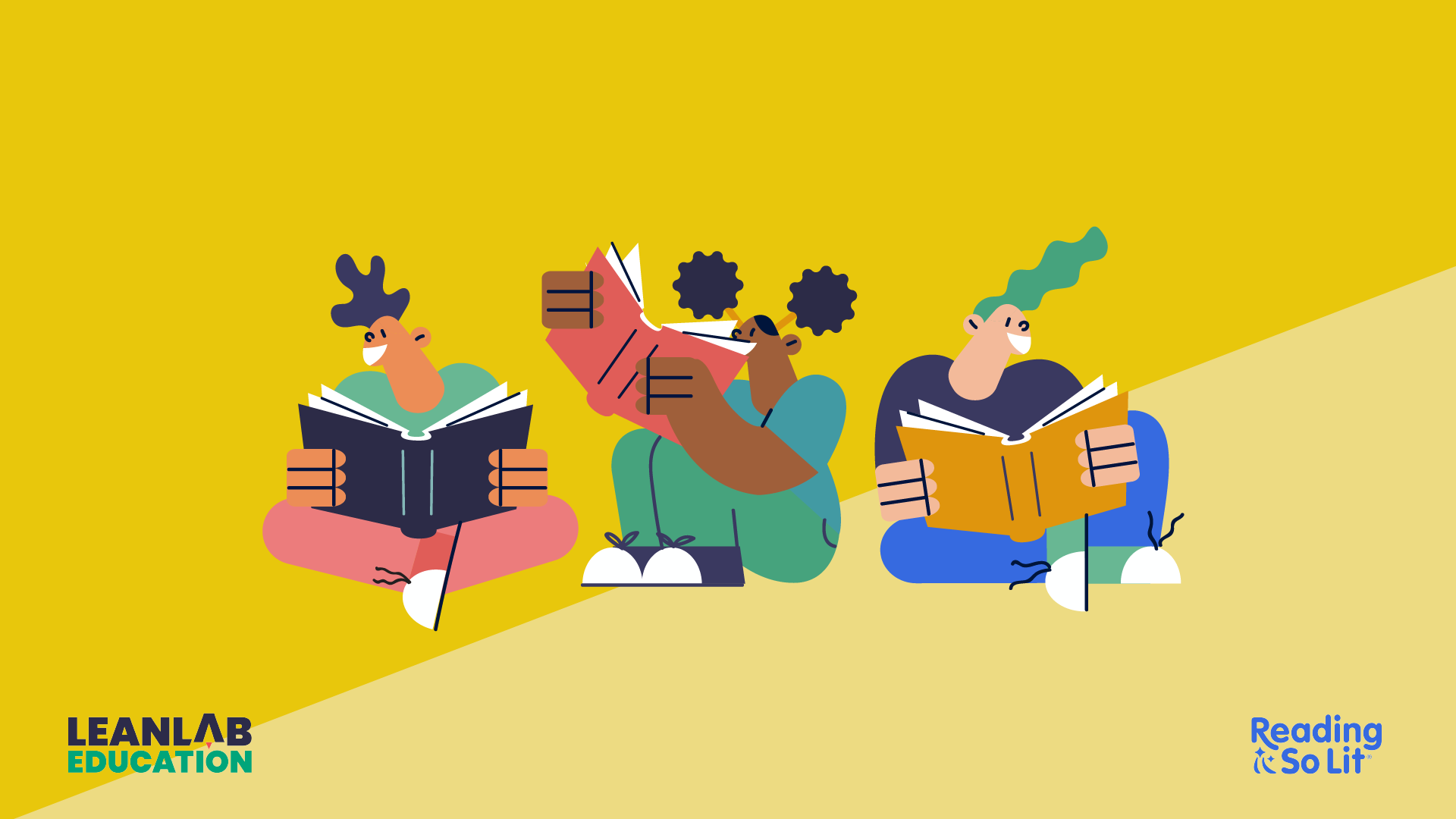
At Leanlab Education, we believe that the most transformational education innovations emerge when educators, students, and families are at the center of product development. This belief guided our recent research partnership with Barbershop Books, Inc. to pilot their Reading So Lit® platform for PK-3, a first-of-its-kind learning personalization solution designed to support reading identity development, a critical gap in early literacy education.

The traditional landscape of education innovation often feels siloed. Researchers conduct studies, edtech startups build tools, investors inject capital, and educators are left at the tail end, hoping something works for their students. This incoherent marketplace, where solutions often lack substantial evidence of their effectiveness and are built without a deep understanding of the problems, was the central challenge addressed during the session “Uncovering the Hidden Gems: A State and Regional Deep Dive into R&D” at this year’s ISTELive and ASCD Annual Conference with Advanced Education Research and Development Fund (AERDF), Leanlab Education, Learner-Centered Collaborative, Alliance for Learning Innovation (ALI), and InnovateEDU.

With uncertainty across the educational landscape—the expiration of ESSER funds and shrinking public school district budgets, cuts to federally funded research initiatives, and opportunities and challenges around AI integration—we need to understand where, when, and how to create systems that support and sustain learner-centered change no matter what comes next.

The education industry is more dynamic than ever, with regular shifts in funding, policies, classroom needs, and available technology. So how can education technology companies navigate this instability while developing quality products and scaling their business?

With the explosion of AI in education since ChatGPT’s release in November 2022, the edtech market has seen an influx of tools promising revolutionary changes to teaching and learning. But are these tools meeting real classroom needs? Leanlab Education set out to answer this question by working with five edtech companies, each developing AI-powered solutions, through codesign research involving over 40 teachers and their students across the U.S.

In an article for Edtech Insiders, Leanlab CEO Katie Boody Adorno discusses the importance of inclusive innovation in edtech—particularly with the rapid development and adoption of AI technologies— and how organizations are collaborating to transform education R&D to better support educators and students.
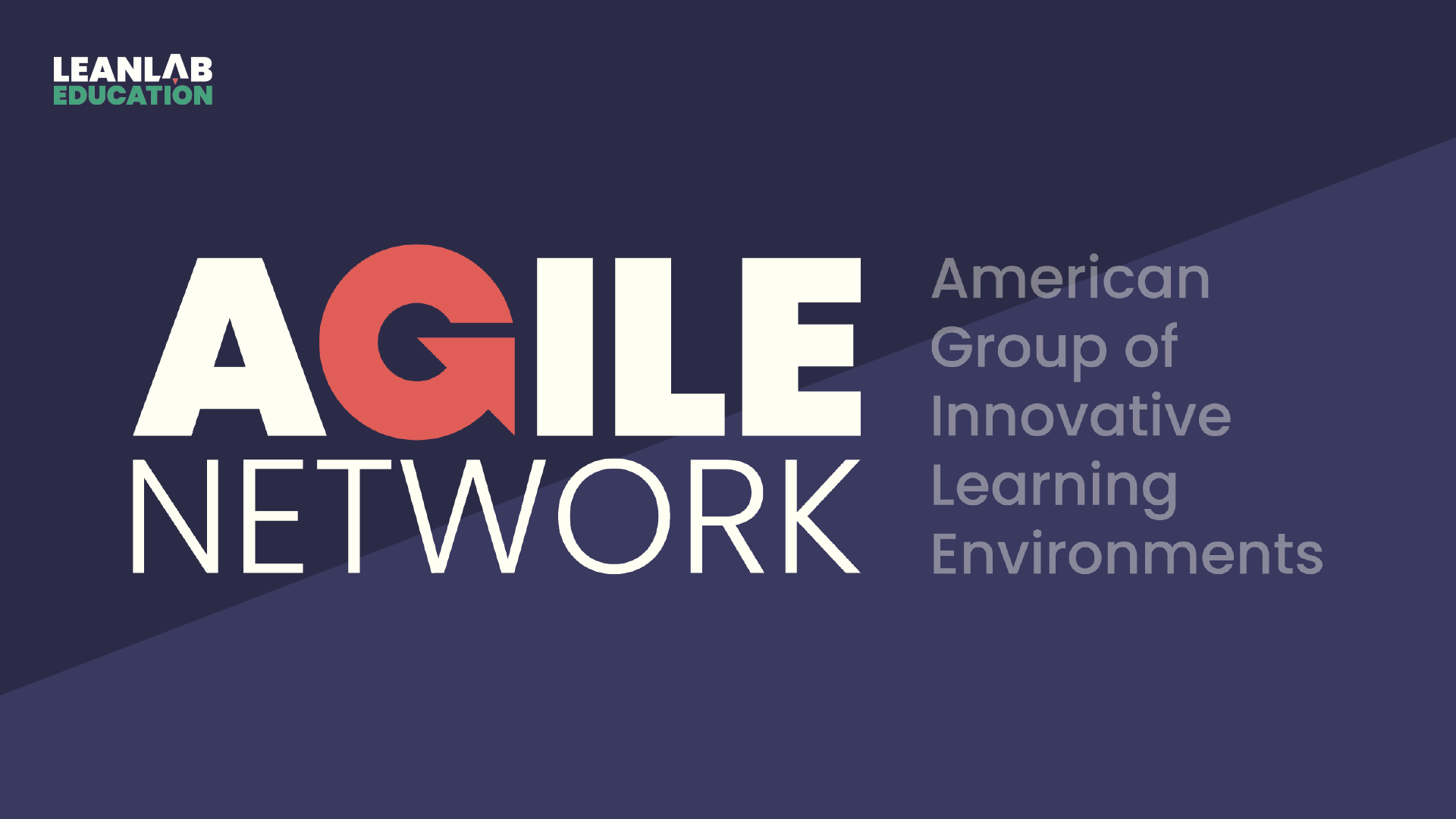
Leanlab Education launched the American Group of Innovative Learning Environments (AGILE) Network at ISTELive24 with members from learning environments across the country, including school systems, teachers, and non-traditional learning environments. Comprised of education communities on the cutting edge of innovation, the AGILE Network works to accelerate the pace of education research and development.

In an interview with the Department of Education’s Office of Educational Technology, CEO Katie Boody Adorno reflects on Leanlab Education’s evidence-building partnership work with edtech developers and schools in response to the prompt, “Please describe Leanlab Education’s partnership work with edtech developers and schools to support evidence-building practices across the levels of evidence.”

The best founders are embracing the idea that edtech should augment the good work schools are doing. They understand that to produce outsized results for school communities, they need to develop products in partnership with school communities.

For adult English language learners working to improve their English skills and confidence for professional reasons, how effective is one-on-one online language tutoring? This question was central to a 2025 research partnership between Leanlab Education and Preply, a global language learning platform.

The two education R&D organizations will collaborate to strengthen research infrastructure, expand access to evidence, and ensure that insights from the study of emerging tools reach educators and innovators.
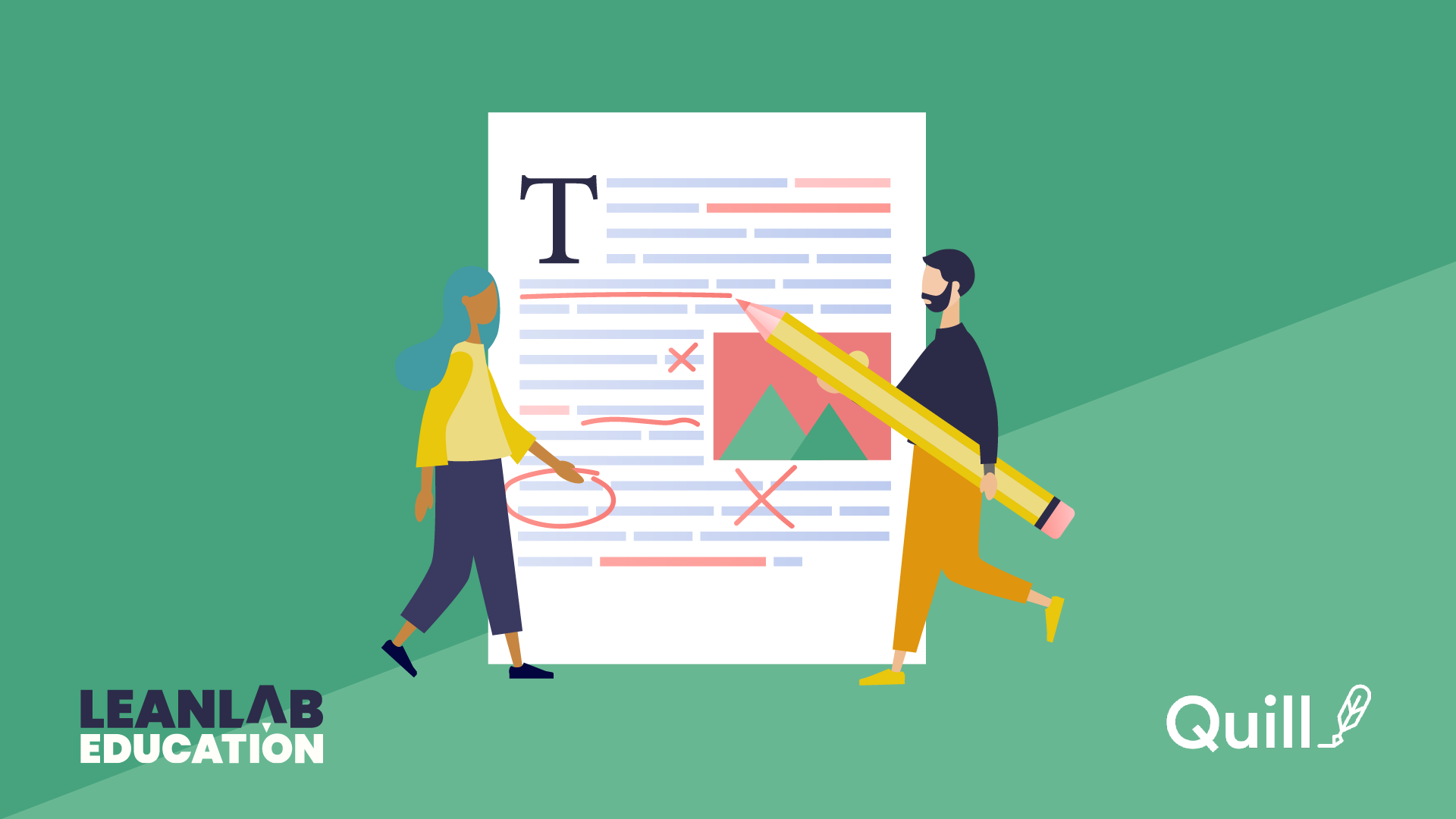
Does consistent use of Quill.org translate into measurable improvements in student writing skills? Quill enlisted Leanlab to examine this question through a large-scale, post-hoc study tracking outcomes for over 100,000 students across 2,600 schools.

For adult English language learners working to improve their English skills and confidence for professional reasons, how effective is one-on-one online language tutoring? This question was central to a 2025 research partnership between Leanlab Education and Preply, a global language learning platform.

The most powerful innovations in education emerge when researchers, developers, and educators work side by side. That's why Leanlab Education is partnering with NewSchools Venture Fund on an ambitious research initiative exploring how generative AI can transform math tutoring for K-12 students.

Seismic shifts in the federal policy landscape and the progression of AI have left our education research and edtech communities bobbing, weaving, and strategy-refreshing our way through 2025. It’s within this context that Leanlab CEO Katie Boody Adorno returns to this 2023 piece. She reflects on how much has changed in the education landscape since then, how prescient some of her predictions proved to be, and how urgent others have become.
Leanlab Education recognizes companies that demonstrate commitment to research-based practices and user-centered design through our badge programs. This spring and summer we awarded badges to companies that have shown dedication to evidence-based development and meaningful user feedback integration.
The traditional landscape of education innovation often feels siloed. Researchers conduct studies, edtech startups build tools, investors inject capital, and educators are left at the tail end, hoping something works for their students. This incoherent marketplace, where solutions often lack substantial evidence of their effectiveness and are built without a deep understanding of the problems, was the central challenge addressed during the session “Uncovering the Hidden Gems: A State and Regional Deep Dive into R&D” at this year’s ISTELive and ASCD Annual Conference with Advanced Education Research and Development Fund (AERDF), Leanlab Education, Learner-Centered Collaborative, Alliance for Learning Innovation (ALI), and InnovateEDU.

Leanlab Education recently partnered with Adobe for Education and teachers across the country to explore how generative AI tools can foster creativity in K12 classrooms.
