Opinion

Seismic shifts in the federal policy landscape and the progression of AI have left our education research and edtech communities bobbing, weaving, and strategy-refreshing our way through 2025. It’s within this context that Leanlab CEO Katie Boody Adorno returns to this 2023 piece. She reflects on how much has changed in the education landscape since then, how prescient some of her predictions proved to be, and how urgent others have become.

In an article for Edtech Insiders, Leanlab CEO Katie Boody Adorno discusses the importance of inclusive innovation in edtech—particularly with the rapid development and adoption of AI technologies— and how organizations are collaborating to transform education R&D to better support educators and students.

In an environment where top-down federal regulation demanding rigorous evidence of edtech is unlikely, we must work to leverage market forces for good. To do so, we need to work to find the middle ground between solution providers' natural go-to-market inclinations and revenue obligations and R&D; where do those two intersect? School Systems and Educators.

Despite the dire reports, we’re optimistic that 2023 is full of potential for radical transformation. We have been paying close attention to the dynamics of research in the edtech ecosystem and how it will impact education in the coming months and years.

In interviews with over 240 teachers we found they’re are grappling with the social-emotional health of their students but are also finding success engaging with their students in-person to help them build these skills.

I believe that there is no correct answer or perfect choice. Knowing this, I am guided by a simple phrase: trial and error.
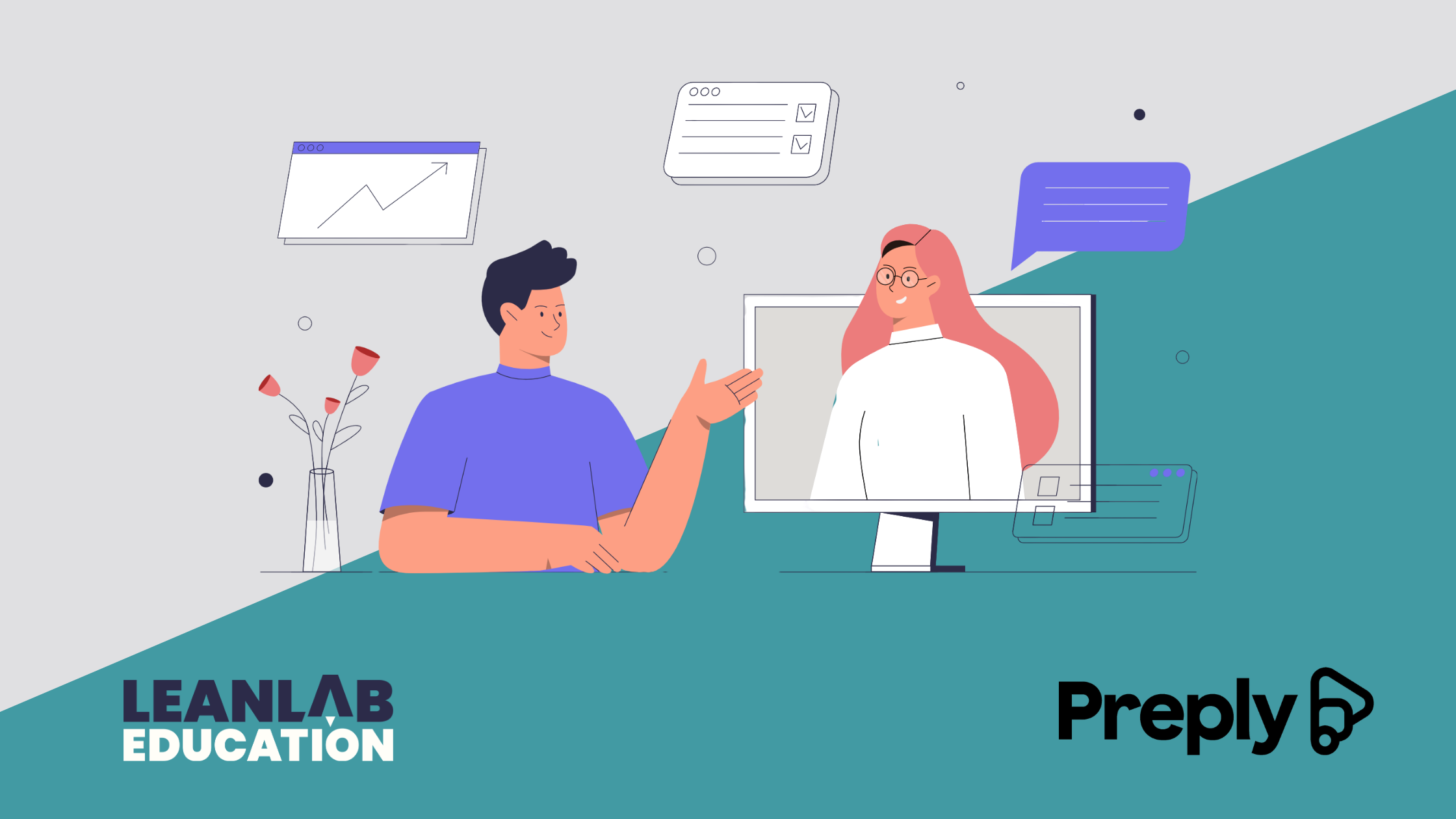
For adult English language learners working to improve their English skills and confidence for professional reasons, how effective is one-on-one online language tutoring? This question was central to a 2025 research partnership between Leanlab Education and Preply, a global language learning platform.
The two education R&D organizations will collaborate to strengthen research infrastructure, expand access to evidence, and ensure that insights from the study of emerging tools reach educators and innovators.
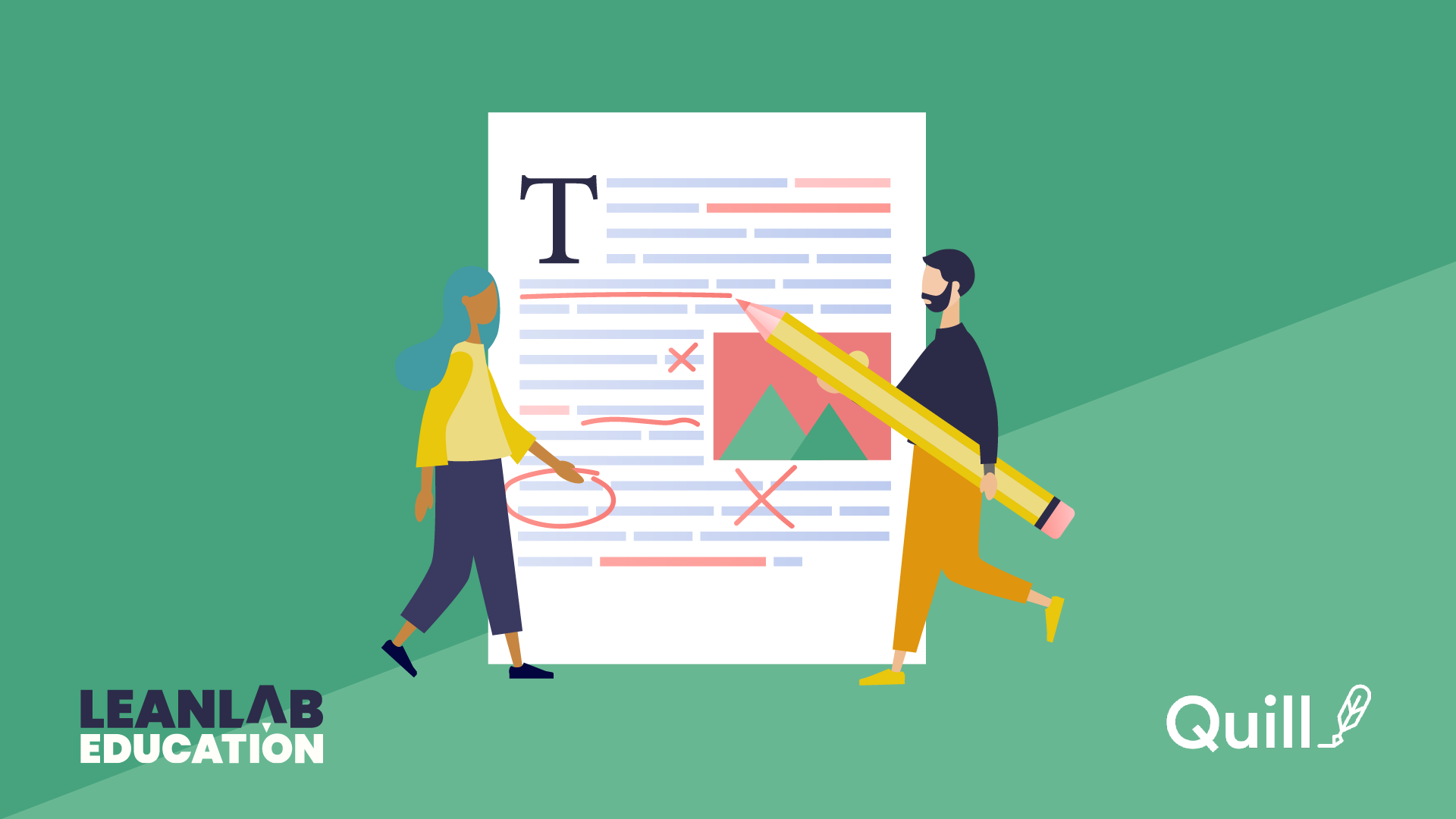
Does consistent use of Quill.org translate into measurable improvements in student writing skills? Quill enlisted Leanlab to examine this question through a large-scale, post-hoc study tracking outcomes for over 100,000 students across 2,600 schools.
For adult English language learners working to improve their English skills and confidence for professional reasons, how effective is one-on-one online language tutoring? This question was central to a 2025 research partnership between Leanlab Education and Preply, a global language learning platform.

The most powerful innovations in education emerge when researchers, developers, and educators work side by side. That's why Leanlab Education is partnering with NewSchools Venture Fund on an ambitious research initiative exploring how generative AI can transform math tutoring for K-12 students.
Seismic shifts in the federal policy landscape and the progression of AI have left our education research and edtech communities bobbing, weaving, and strategy-refreshing our way through 2025. It’s within this context that Leanlab CEO Katie Boody Adorno returns to this 2023 piece. She reflects on how much has changed in the education landscape since then, how prescient some of her predictions proved to be, and how urgent others have become.

Leanlab Education recognizes companies that demonstrate commitment to research-based practices and user-centered design through our badge programs. This spring and summer we awarded badges to companies that have shown dedication to evidence-based development and meaningful user feedback integration.

The traditional landscape of education innovation often feels siloed. Researchers conduct studies, edtech startups build tools, investors inject capital, and educators are left at the tail end, hoping something works for their students. This incoherent marketplace, where solutions often lack substantial evidence of their effectiveness and are built without a deep understanding of the problems, was the central challenge addressed during the session “Uncovering the Hidden Gems: A State and Regional Deep Dive into R&D” at this year’s ISTELive and ASCD Annual Conference with Advanced Education Research and Development Fund (AERDF), Leanlab Education, Learner-Centered Collaborative, Alliance for Learning Innovation (ALI), and InnovateEDU.

Leanlab Education recently partnered with Adobe for Education and teachers across the country to explore how generative AI tools can foster creativity in K12 classrooms.
